

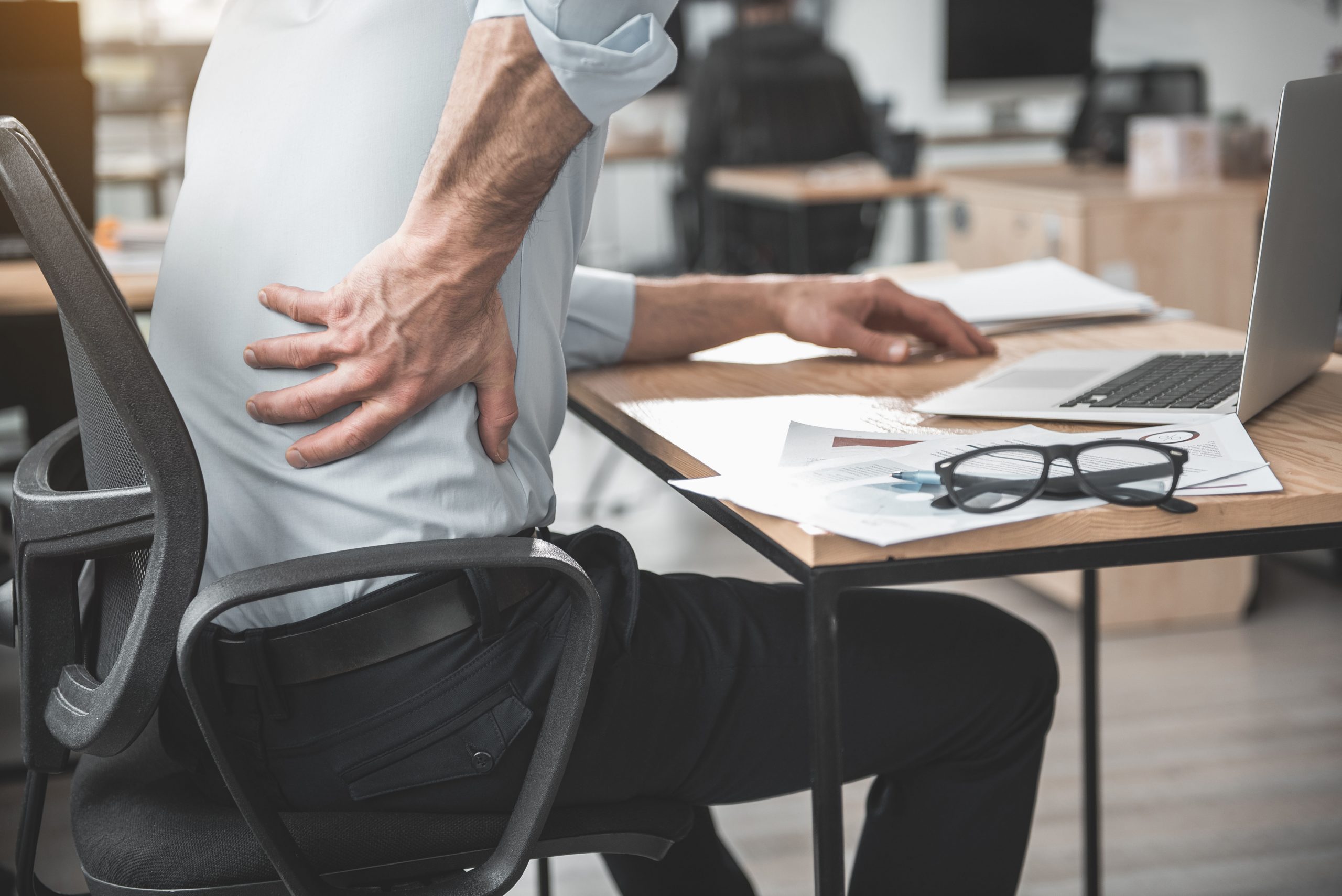
Modern work environments encourage long hours of sitting. Offices, remote workspaces, and digital entertainment all center around screens and chairs. The body evolved for regular movement across varied terrain. Long periods of stillness shift how muscles, joints, and circulation behave. Many people feel stiffness after extended sitting sessions. This reaction reflects the body’s natural preference for frequent motion.
Circulation slows when muscles remain inactive for long stretches. Leg muscles usually assist blood flow back toward the heart during walking. Sitting reduces this supportive action. As a result, some people notice heavy legs or mild swelling late in the day. Short walks restore circulation through gentle muscle activity. Even small movement breaks change how the body distributes blood and oxygen.
Muscle balance shifts during prolonged sitting. Hip flexors remain shortened while glute muscles stay inactive. Over time this imbalance affects posture and comfort. Neck tension often develops from leaning toward screens. Many office workers recognize this pattern during busy work periods. Stretching and standing breaks help restore natural alignment within the body. Simple adjustments create noticeable relief across the workday.
Mental energy connects closely with physical posture and movement. Sitting continuously often leads to mental fatigue during complex tasks. Brief walks or stretches stimulate circulation and breathing. These changes support alertness during demanding projects. Many professionals schedule short movement breaks every hour. This habit aligns with the body’s preference for regular activity across the day.