

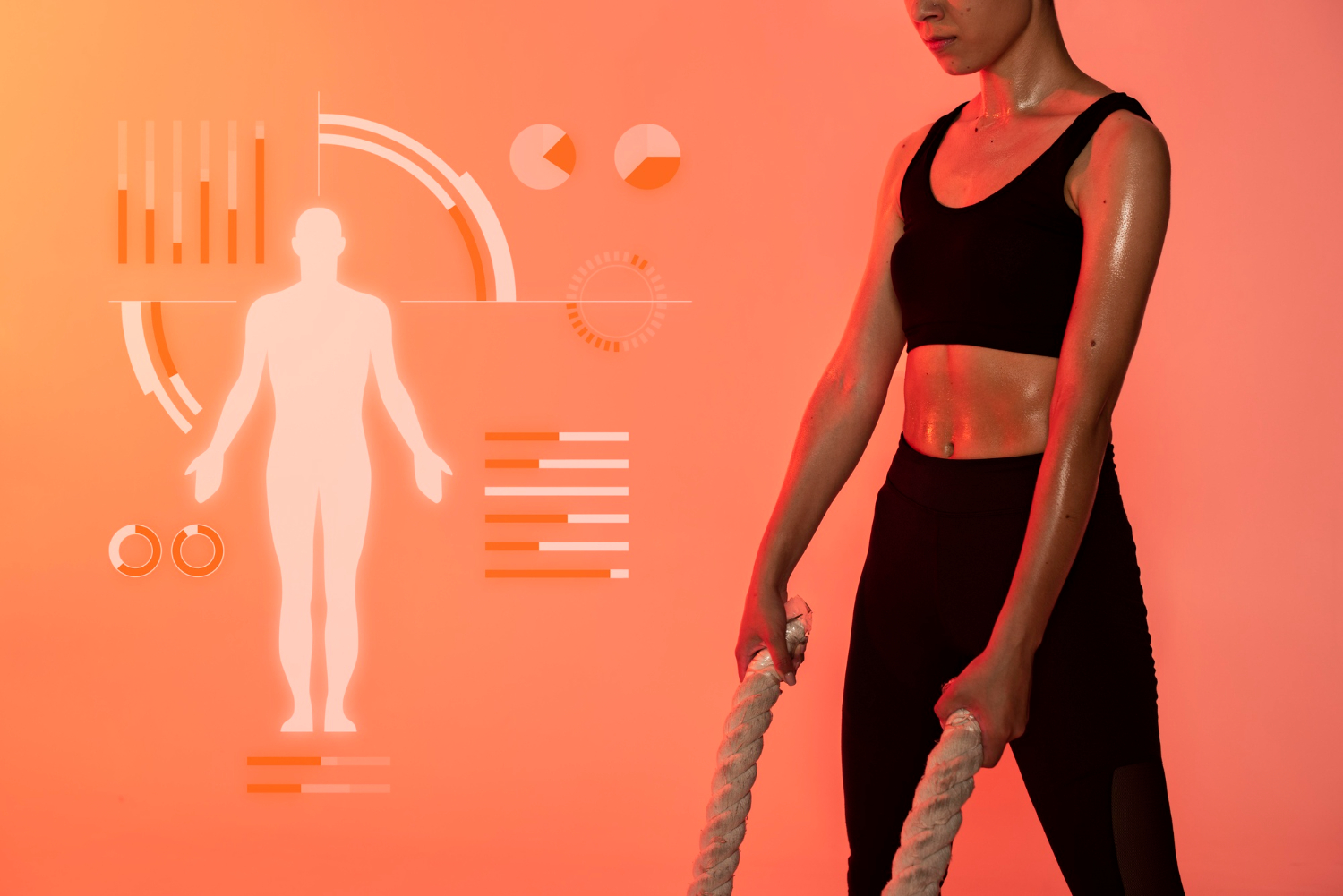
The human body communicates through subtle signals that often pass unnoticed during busy routines. A slight drop in energy may appear during the afternoon, hinting at rest needs or balanced meals. Persistent tension across shoulders often reflects long hours spent at desks or screens. Even small changes in sleep patterns can indicate shifts in daily habits or emotional pressure. Many people overlook these signals, treating them as background noise rather than useful guidance. Paying attention to physical cues builds a deeper connection with everyday wellbeing.
Hunger and thirst signals provide another layer of communication. Many people mistake thirst for hunger during demanding days. A glass of water sometimes restores focus within minutes. The body maintains balance through constant adjustments involving hydration, temperature, and energy use. Light headaches, dry lips, or fatigue often relate to simple lifestyle factors. These signs rarely appear without reason. Observing them with curiosity creates space for better decisions around food, rest, and movement.
Posture offers another powerful signal. Slouched shoulders or tight neck muscles often appear after long periods of stillness. The body prefers gentle motion throughout the day rather than extended inactivity. Standing, stretching, or walking briefly can shift circulation and muscle engagement. Many office workers report clearer thinking after short movement breaks. These responses reflect the body’s preference for rhythm rather than stagnation. Movement acts as quiet communication between muscles, nerves, and the brain.
Emotional states frequently appear through physical sensations. Stress may show up through faster breathing, clenched jaws, or restless sleep. Calm environments tend to soften these reactions over time. Awareness helps people recognize patterns within daily routines. Small adjustments such as walking outside or slowing breathing can shift how the body responds to pressure. Listening closely turns everyday sensations into useful feedback rather than inconvenience. Over time, this awareness supports steadier energy and clearer thinking.